THE FLYING V
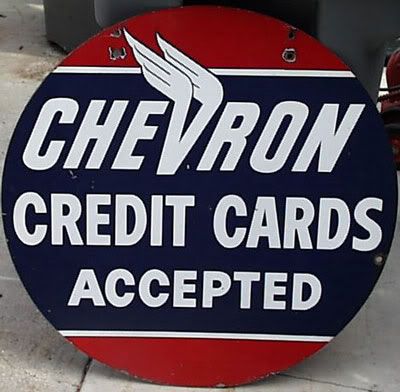
The flying V in the Chevron logo was a symbol of Socals support of the Allied War Efforts.
As the United States entered into WW II Drastic changes came to Socal. The Richmond refinery, for example, soon resembled a fortress. Searchlights and machine guns guarded all entrances. A torpedo boat even patrolled San Francisco Harbor.
Socal soon became a key supplier of petroleum pruducts for the Allied Forces in the Pacific Theater. Upgrades, and expansions were made to both the Richmond and El Segundo refineries, for the production of aviation fuel. The Bakersfield refinery was converted for almost exclusive production of the 100 Octane fuel.
Socals tanker fleet soon came under command of the War Shipping Administration. It's tankers soon becoming floating service stations. During the war, Socal built two new ships, the J.H. Tuttle and the R.C. Stoner.
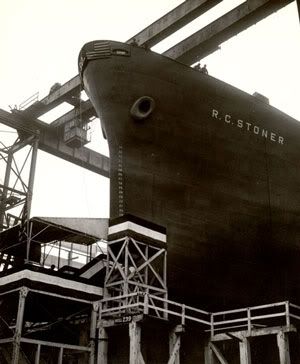
Which were by far, the largest ships in the Socal fleet. At 18,000 tons each, they could transport almost 154,000 barrels of cargo.
War duties, took a heavy toll on the Socal fleet. The tanker, W.S. Rheem, was struck by a Japanese torpedo, August 31,1943, blasting a large hole in the port side.
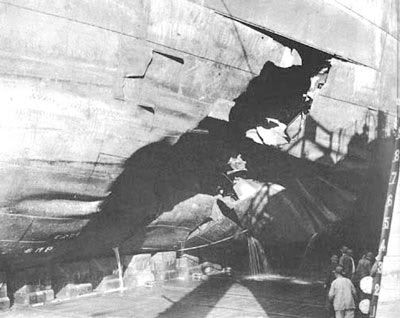
"It was large enough to run a locomotive through it" according to Bernie Marston who served on the Rheem. None the less, the Rheem made port. Yet two other company ships failed to survive the war. The H.M. Storey was sunk in the South Pacific, with the loss of two men. The H.D. Collier, was sunk by enemy submarine attack in the Arabian Sea, taking with it, 30 men.
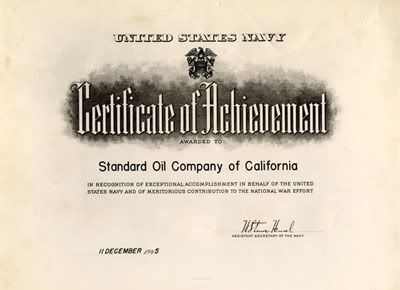
The company and its employees received this Certificate of Achievement for "exceptional accomplishment in behalf of the United States Navy"
[This message has been edited by Thunder (edited 08-14-2005).]


